Dental Implant Clinic in Mechanicsville, VA

A permanent, natural-feeling way to replace a missing tooth at the root, built around precision and long-term function.

The Gold Standard For Replacing a Missing Tooth

A missing tooth affects more than the gap you see when you smile. Over time, it can change how you chew, put extra strain on surrounding teeth, and even affect the bone that once supported it. Dental implants replace a missing tooth at the root, giving you a permanent, natural-feeling foundation rather than something removable.

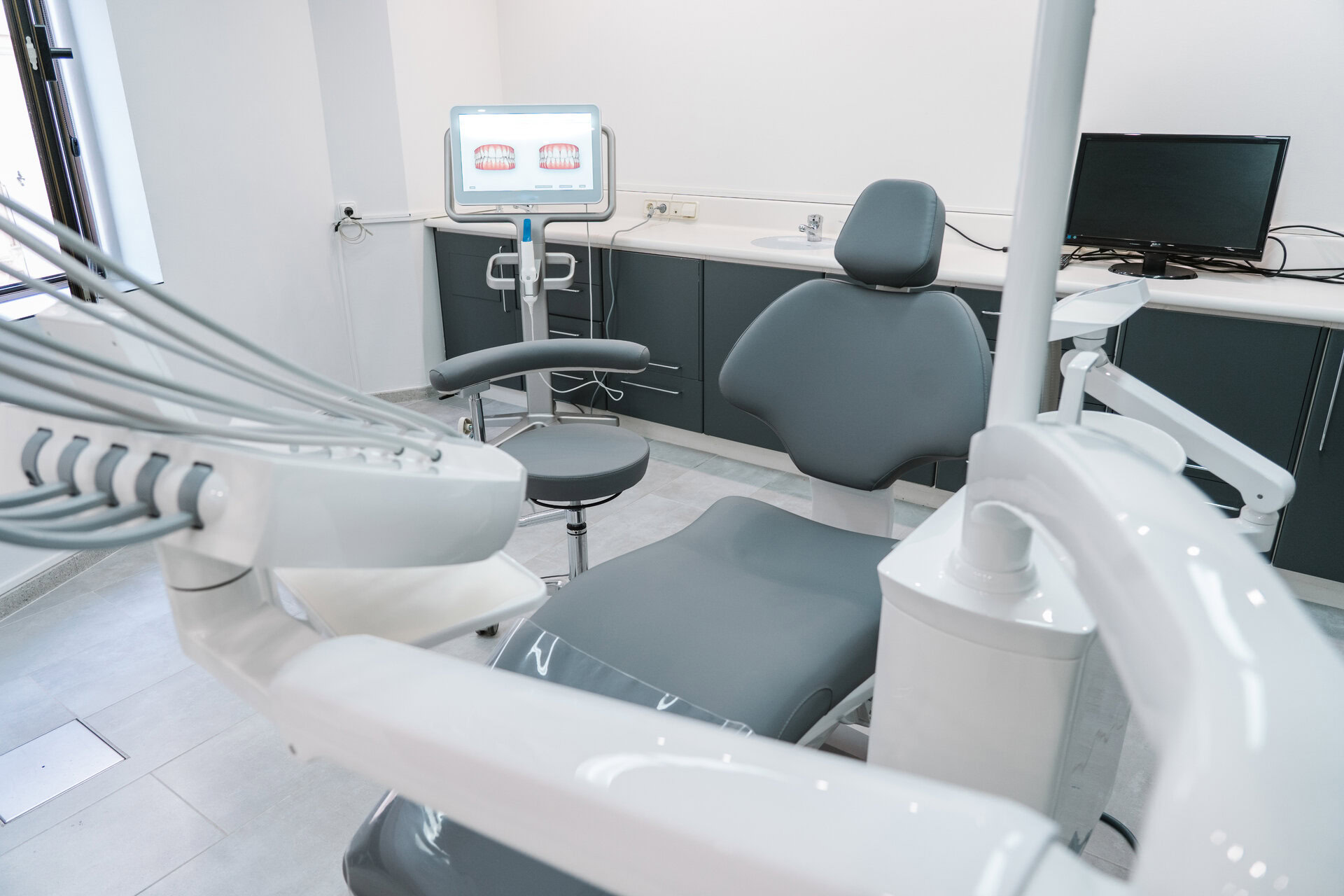
Treatment room with dental chair and equipment at Bell Creek Dentistry

A Focus on
Precision

Dr. Nico Salavaggione has a particular interest in implant dentistry, with an emphasis on guided implant surgery. Rather than placing an implant freehand, guided surgery uses detailed imaging to plan the exact position in advance, adding precision that supports a more predictable, successful outcome.

Part of a Larger
Restorative Plan

An implant rarely stands alone. It's usually paired with a crown, bridge, or denture, depending on how many teeth need replacing. We'll walk you through the full picture of what your treatment plan involves before any part of the process begins.

How Dental Implants Work

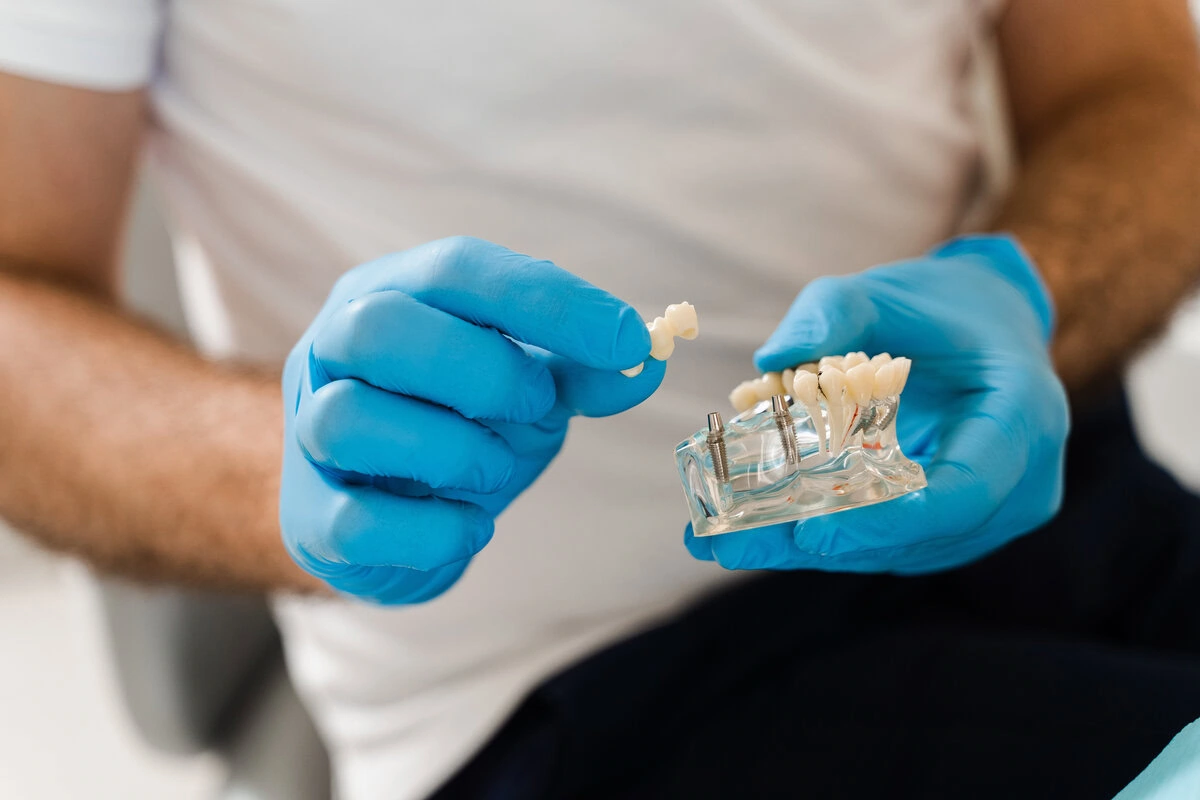
A dental implant is a small titanium post placed directly into the jawbone, where it integrates with the bone over time to create a sturdy foundation. Once that foundation is secure, a custom-made replacement is attached on top, depending on how many teeth are being replaced:

  • A single crown, for replacing one tooth
  • A bridge, for replacing several teeth in a row
  • A full or partial denture, for replacing most or all of the teeth in an arch


The result functions and feels much closer to a natural tooth than other replacement options, since it’s anchored the same way a natural tooth root would be.

Dentist in blue gloves holding a dental implant model
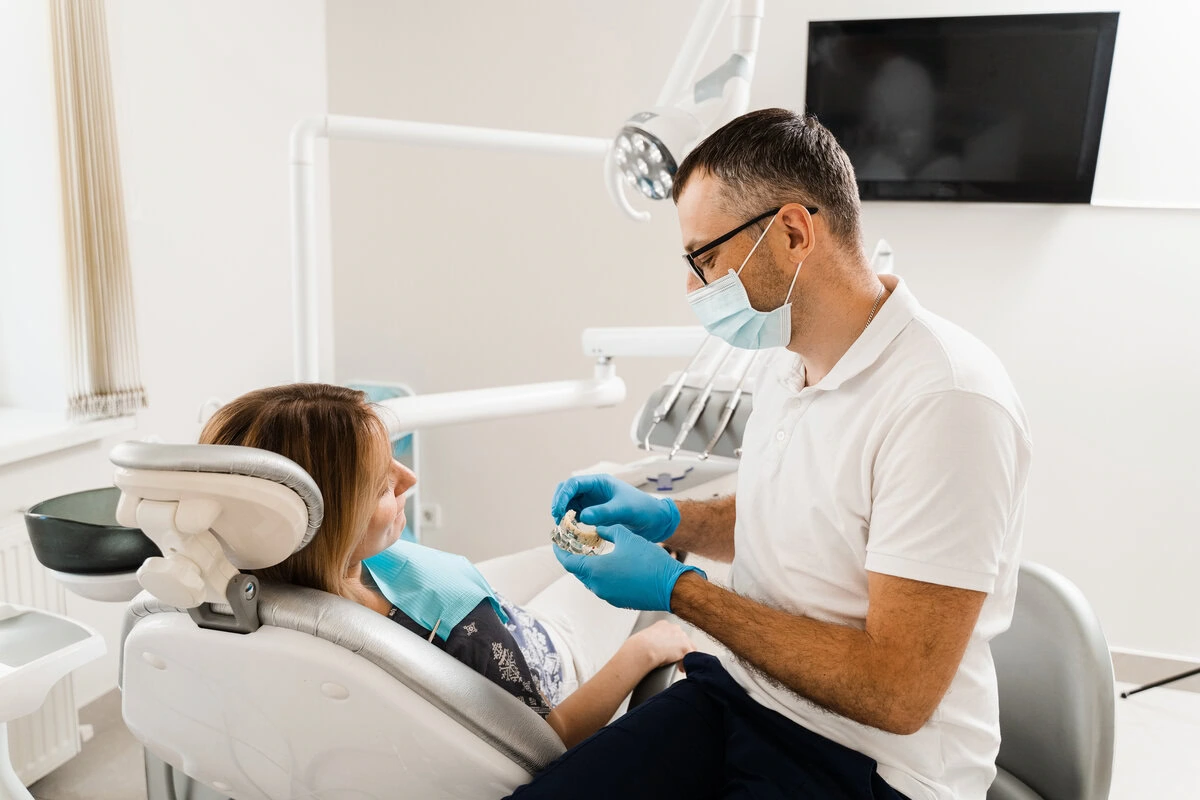
Patient reclined in the chair during an implant consultation

Are You a Good Candidate?

Most healthy adults with adequate jawbone density are good candidates for dental implants, though a few factors can affect whether an implant is the right fit for you, including:

  • Gum disease or other active oral infections
  • Insufficient jawbone density to support the implant
  • Smoking, which can slow healing and affect success rates
  • Certain uncontrolled medical conditions, such as unmanaged diabetes


We’ll evaluate your specific situation, including a close look at your jawbone and overall oral health, before recommending implants as your path forward.

What the Implant Process
Looks Like

Getting an implant typically happens in stages, starting with placing the titanium post and allowing time for it to integrate to the bone, which can take 3-4 months. Once that healing is complete, the visible replacement tooth is attached on top. While the full process takes longer than some other restorative options, the result is designed to function like a natural tooth for years to come.

Dentist treating a patient with instruments laid out nearby

Frequently Asked Questions About Dental Implant

Considering an implant but not sure where to start? Here’s what patients ask us most.

With proper care, dental implants can last many years, often decades, making them one of the most durable tooth replacement options available.

The area is fully numbed during placement, and most patients report manageable post-procedure discomfort that responds to over-the-counter pain relief.

Age alone doesn’t rule out implants. What matters most is your overall oral health and jawbone density, which we’ll evaluate during your consultation.

Ready to Love Your Smile?

If a missing tooth has been affecting how you eat, speak, or feel about your smile, a dental implant may be the long-term solution you’re looking for. Schedule your appointment today and let our team walk you through whether it’s the right fit for you.

Book Appointment
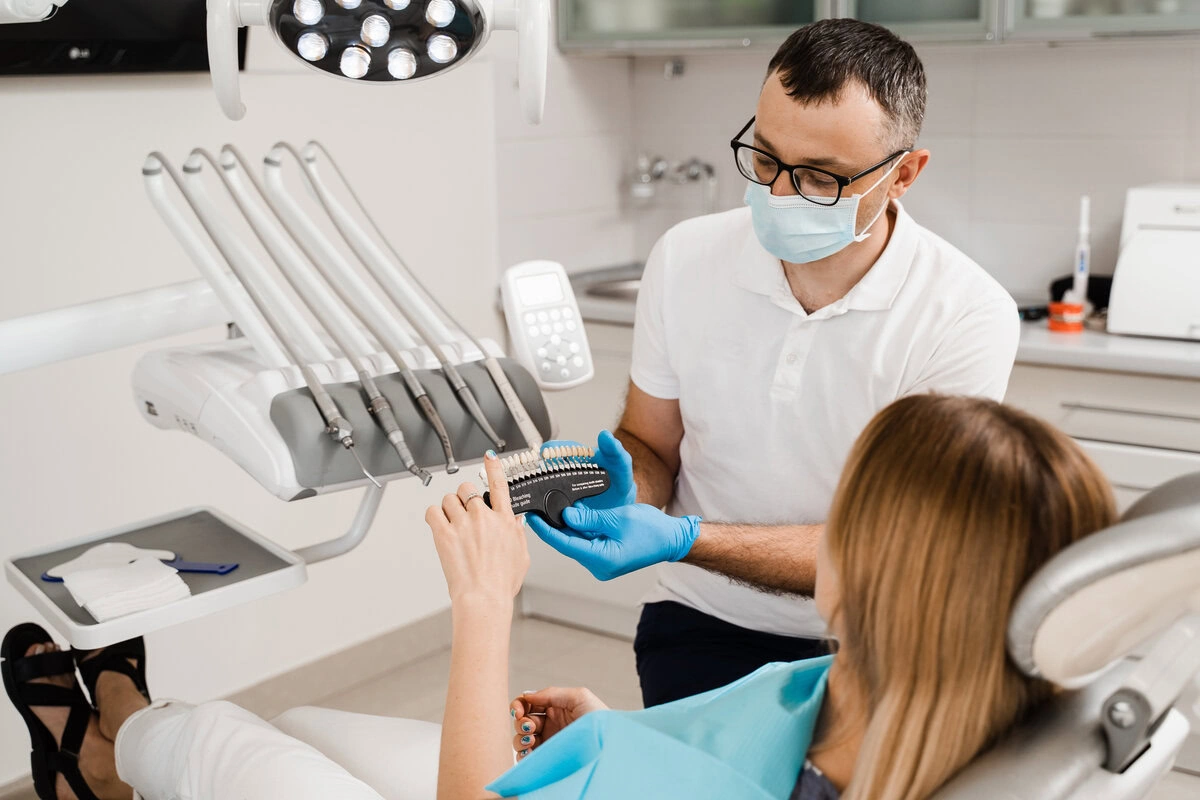
Close-up of a patient framing her smile with both hands