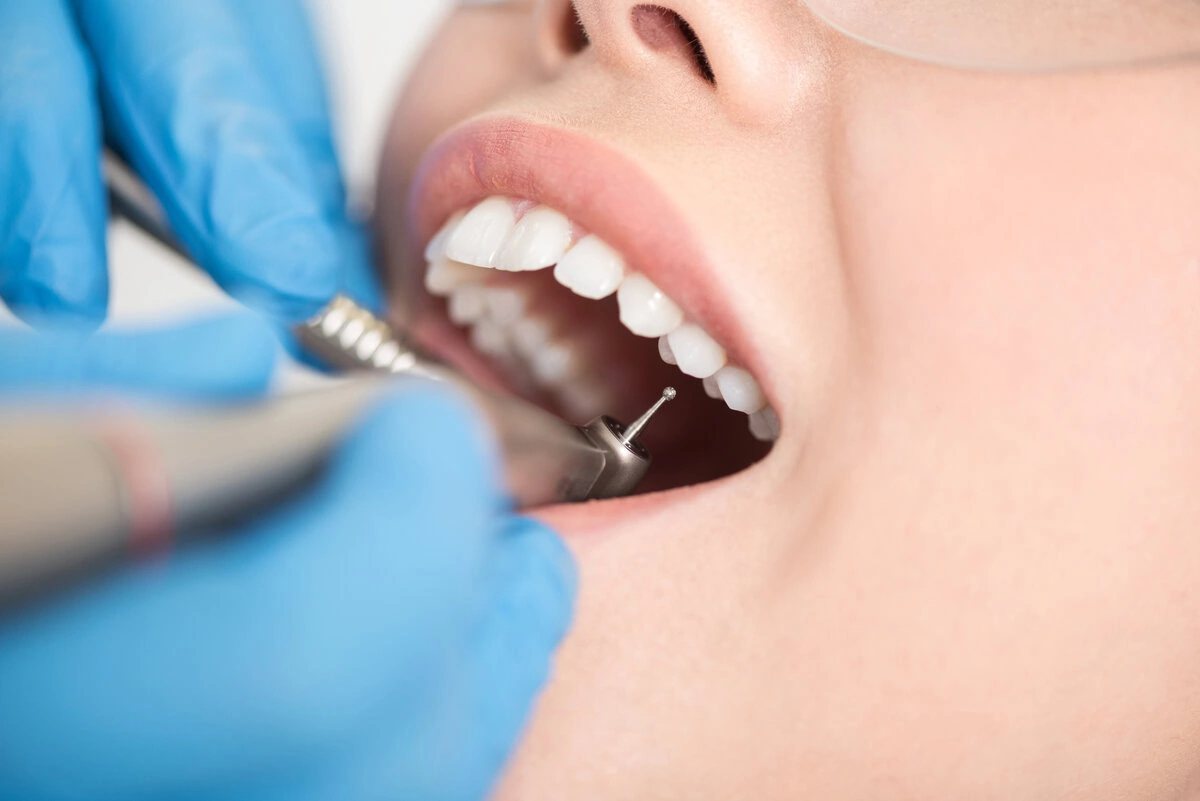
Dental Crowns in Mechanicsville, VA

When decay, damage, or a cracked tooth requires more than a filling, a custom-fitted crown restores strength, shape, and function so your smile works the way it’s meant to.

When a Tooth Needs More Than a Filling

Some damage goes beyond what a filling alone can fix. Dental crowns, also known as caps, are used specifically to repair badly broken-down teeth that need more support and coverage than a standard filling can provide. A crown covers the entire visible portion of a tooth, restoring both its strength and its natural shape.
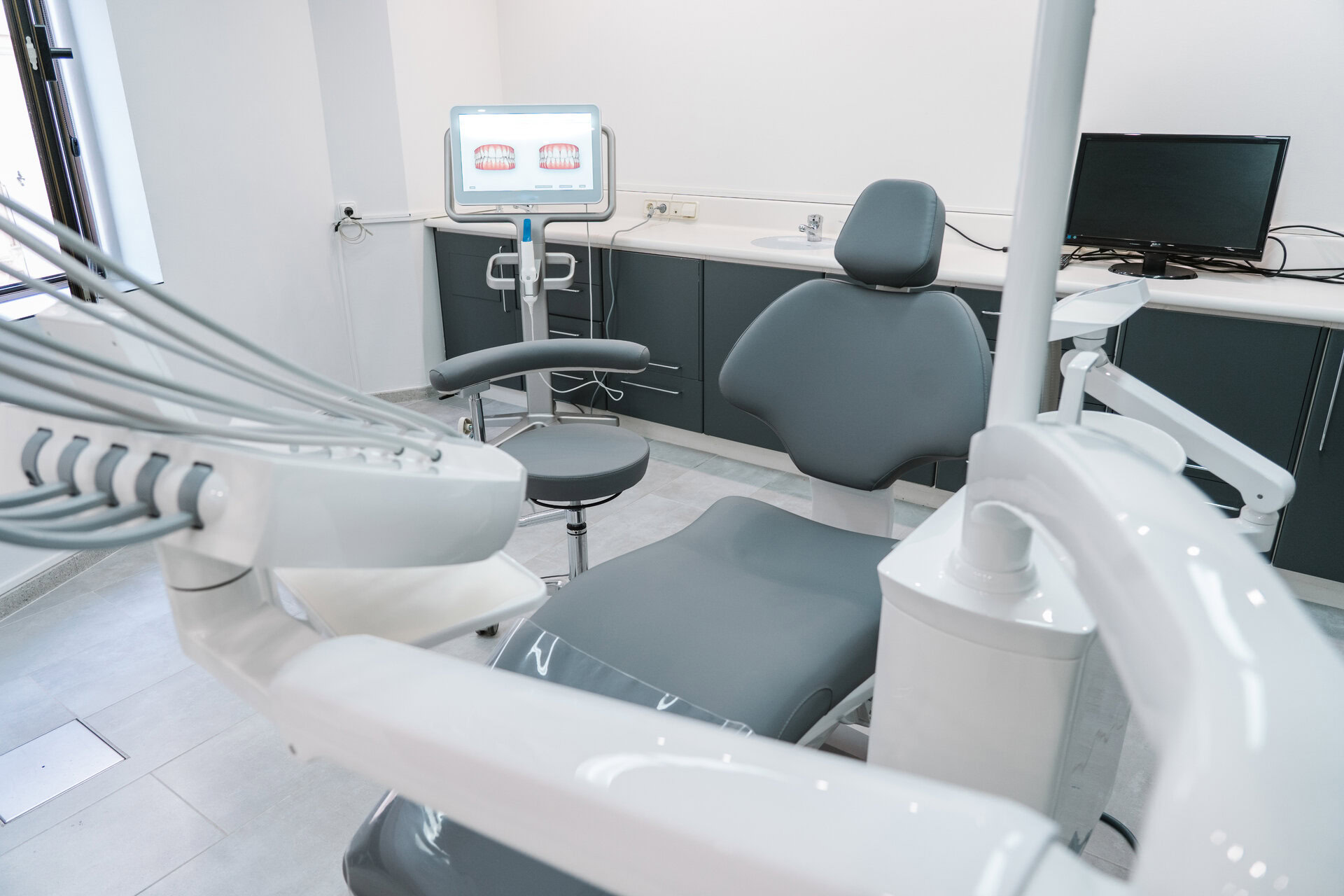
Treatment room with dental chair and equipment at Bell Creek Dentistry

A Common Solution for a Range of Situations

Crowns come up in several situations at Bell Creek Dentistry, whether that's protecting a tooth after a root canal, covering one with a large area of decay, or reinforcing a cracked tooth that's still worth saving.

Built to Last

A crown is designed to restore the strength, function, and appearance of a tooth while providing a long-lasting solution. With a well-fitting crown and regular dental care, you can expect your restored tooth to feel comfortable and function naturally as part of your smile.
When Is a Crown the Right Option?

A crown is often recommended when a tooth has a large cavity that leaves too little natural structure for a filling to support, when a tooth is cracked but not so damaged that it needs to be extracted, or after a root canal, since the treated tooth can become more brittle and prone to fracture over time. Crowns also come into play when a tooth is worn down significantly from years of grinding, or when discussing cosmetic options. In each case, the goal is the same: restoring the tooth so it looks right and functions normally again, rather than leaving it vulnerable to further damage.

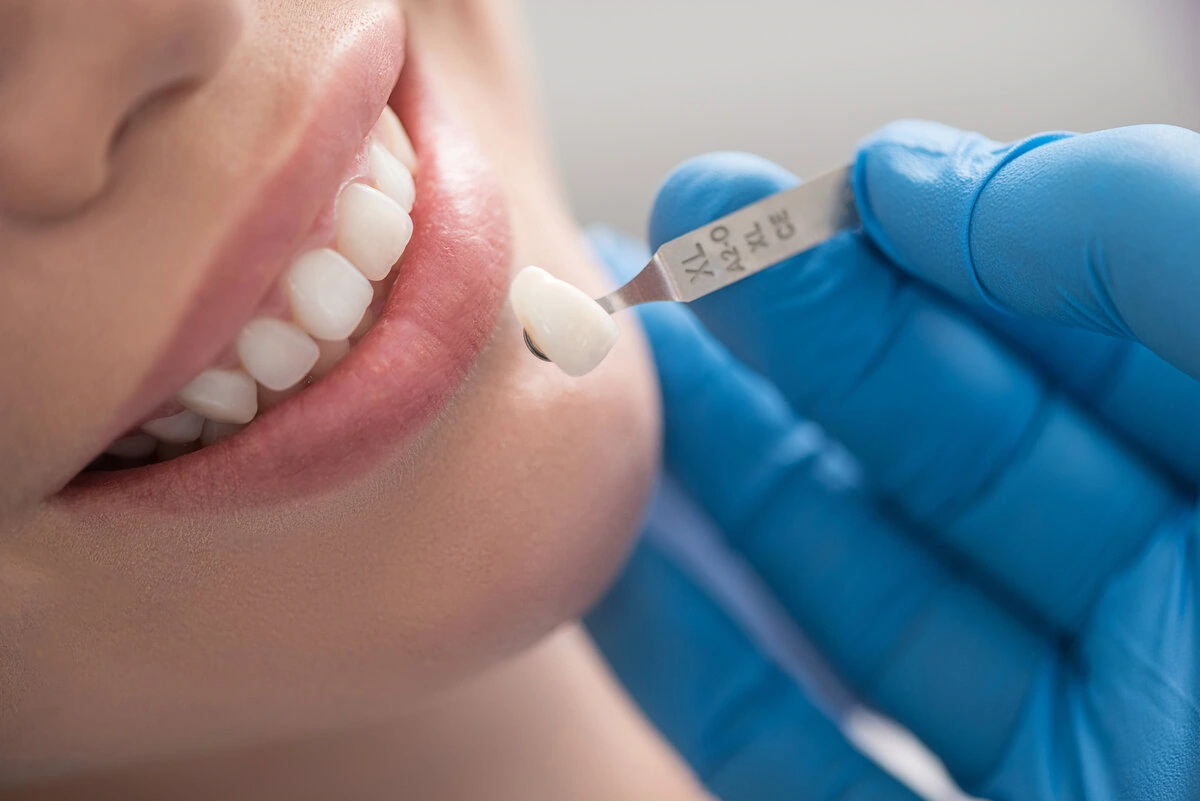
Dentist matching a crown shade guide to a patient's teeth
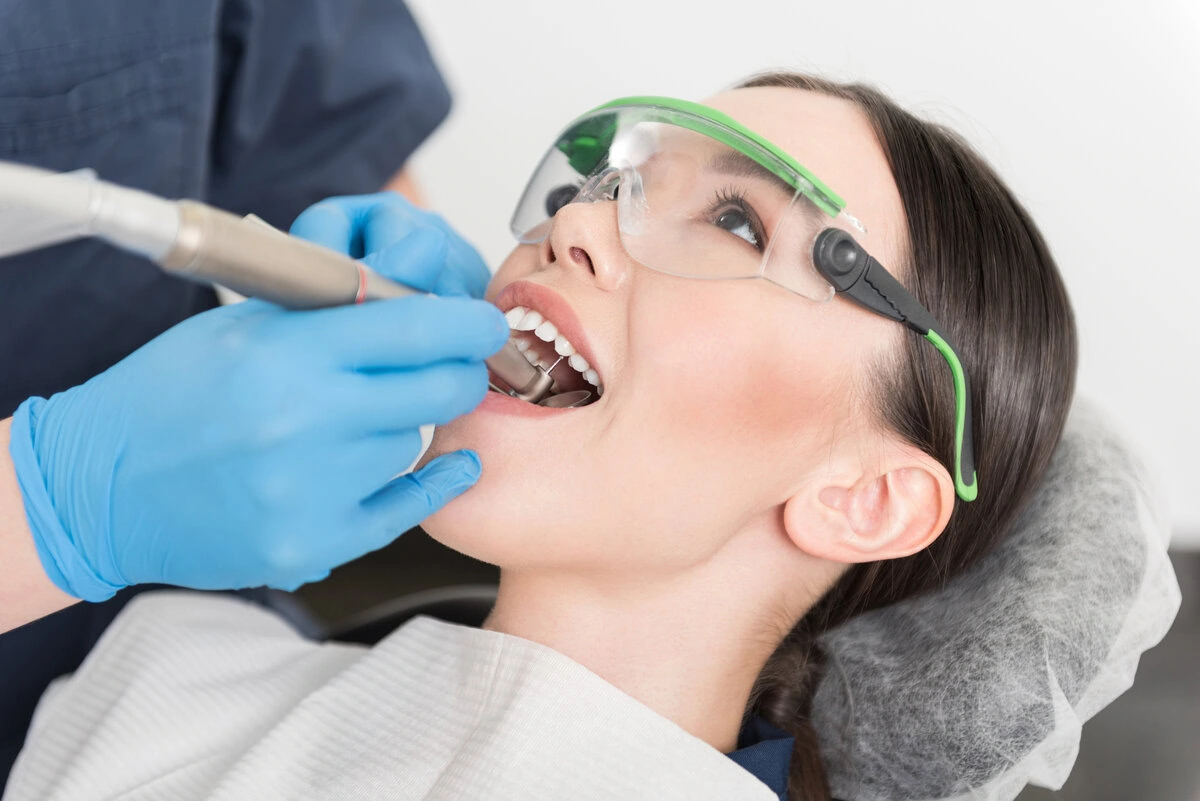
Patient having a tooth prepared for a dental crown

What the Process Involves

Getting a crown typically starts with preparing the tooth, removing any decay and shaping it to make room for the crown to fit properly over the natural tooth structure. We then obtain a digital scan that we send over to our laboratory who will use it to fabricate your custom-made crown. While the permanent crown is being made, a temporary crown protects the prepared tooth and keeps it functional in the meantime.

Once your permanent crown is ready, we’ll carefully check the fit and your bite, make any needed adjustments, and secure it in place so it feels like a natural part of your smile.

Caring for Your Crown

A crowned tooth doesn’t need special treatment beyond regular brushing, flossing, and checkups, but a few habits can help it last longer. Avoiding very hard foods like ice or hard candy, not using your teeth to open packaging or bite down on objects, and wearing a nightguard if you grind your teeth at night can help protect both the crown and the natural tooth structure underneath. It’s also worth keeping up with your regular exams, since we can catch early signs of wear or a loosening crown well before it becomes a bigger issue.

Dentist checking a crowned tooth with a dental mirror

Frequently Asked Questions About Dental Crowns

A few common questions patients ask about dental crowns.

With proper care, crowns can last many years, though the duration varies depending on the material and how well they’re maintained.

Yes. Crowns are made to blend in with your surrounding teeth, so the repair isn’t noticeable when you smile or talk.

The area is numbed before any preparation begins, so most patients feel little to no discomfort during the procedure.

Ready to Love Your Smile?

If a damaged tooth has been on your mind, a crown may be exactly what you need to make it look and feel whole again. Schedule your appointment today and let our team walk you through your options.

Book Appointment
Close-up of a patient framing her smile with both hands