
Digital X-Rays in Mechanicsville, VA

A closer look beneath the surface, with less radiation than ever before.

Seeing What Can't Be Seen

Not every dental problem shows up when we look in your mouth. Decay between teeth, bone loss, and root issues often stay hidden until an X-ray brings them into view, which is why digital X-rays are a standard part of general dentistry at Bell Creek Dentistry.

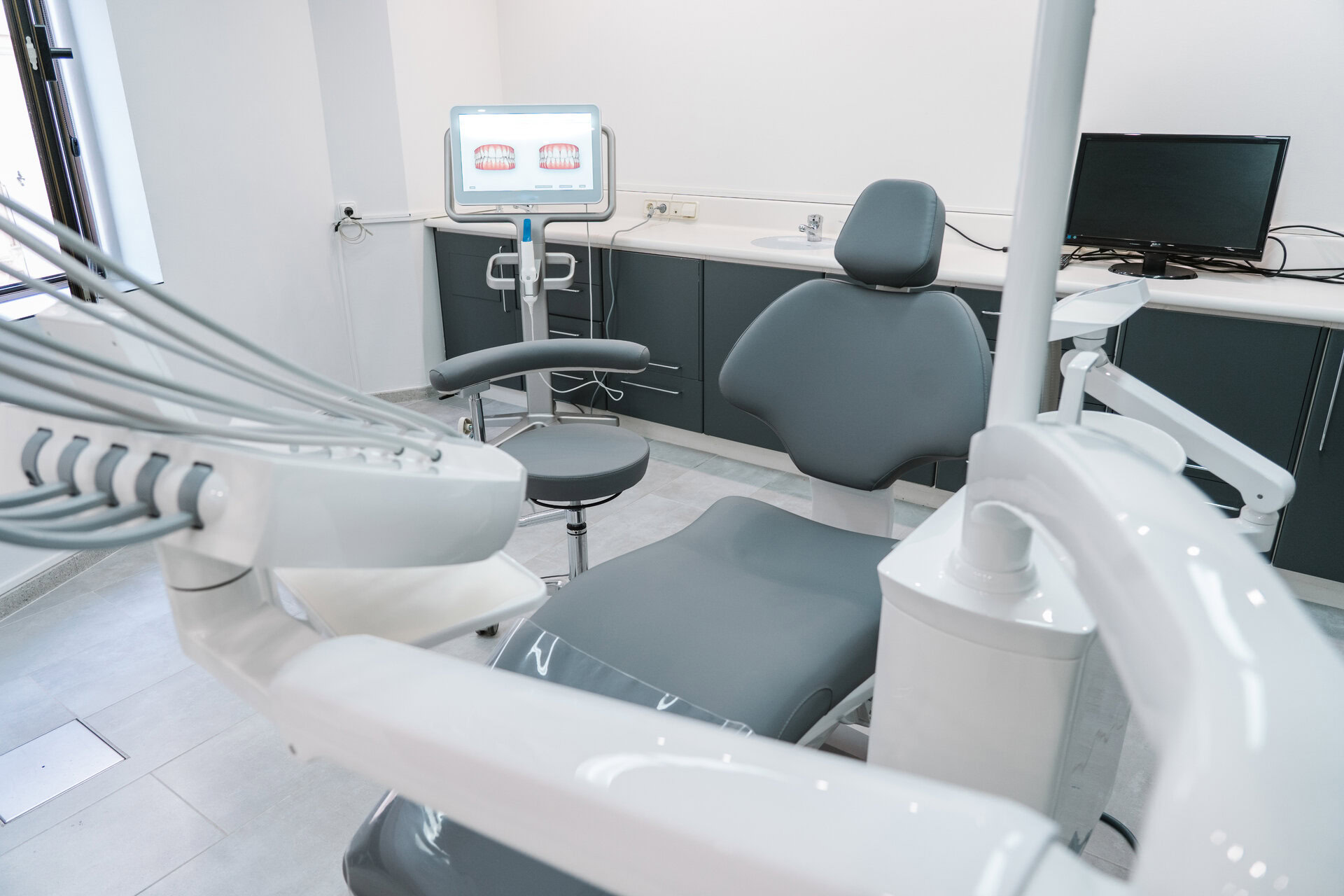
Treatment room with dental chair and equipment at Bell Creek Dentistry

A Safer Way to Get a Complete Picture

Compared to older film-based X-rays, the FDA notes that digital imaging can reduce a patient's radiation dose by 40 to 60 percent. That means you get a more detailed image with a fraction of the exposure older methods required, letting Dr. Nico and Dr. Pega diagnose with more confidence and less risk.

Part of a Bigger
Picture

Digital X-rays don't replace a hands-on exam; they add to it. Once we have your images, we'll walk through them with you directly, pointing out exactly what we're seeing so that you understand any recommendations we may discuss.

Why Digital X-Rays Matter

An X-ray can reveal a cavity forming between two teeth long before it’s visible to the eye, or catch bone loss around the roots that doesn’t show symptoms yet. They can also pick up on issues like impacted teeth, infections at the tip of a root, or the early stages of gum disease, all things that are far easier to treat when they’re caught early rather than after they’ve progressed. For children, X-rays also help track how permanent teeth are developing beneath the surface, giving us an early look at whether anything, like crowding or an emerging tooth coming in at the wrong angle, might need attention down the road.

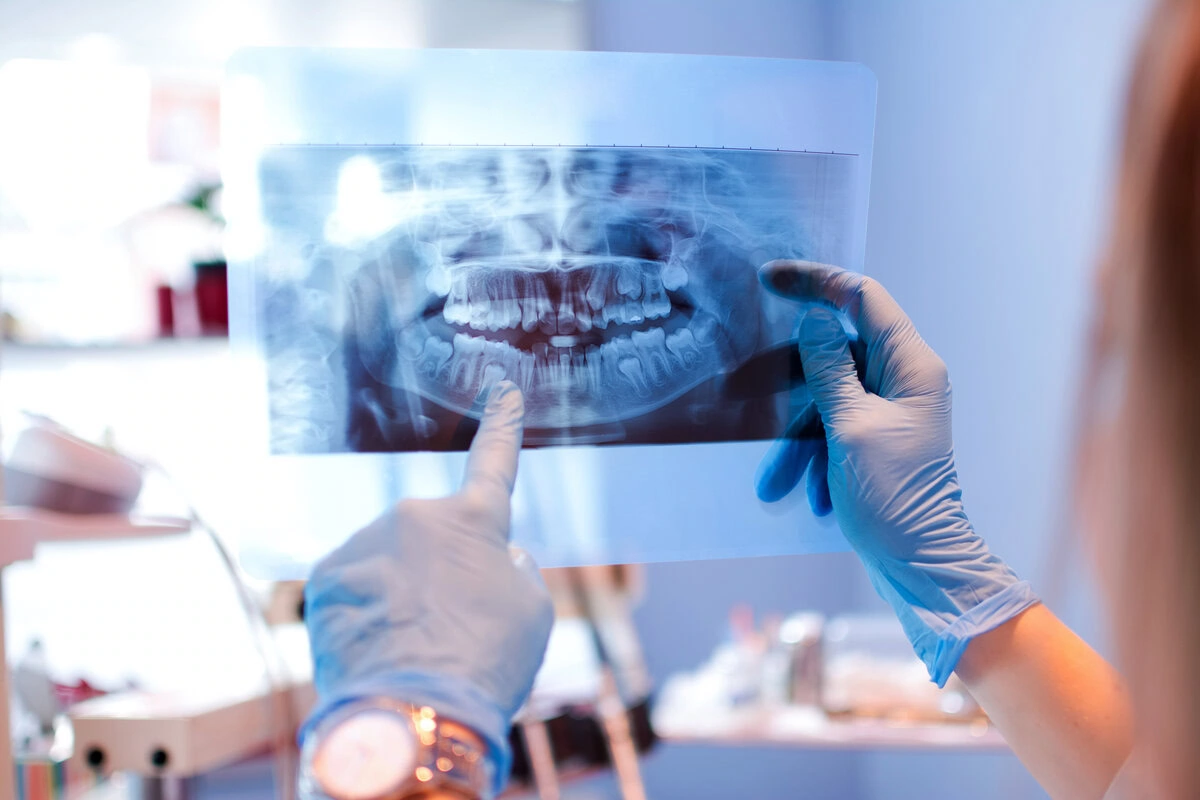
Dentist in gloves reviewing a panoramic dental X-ray
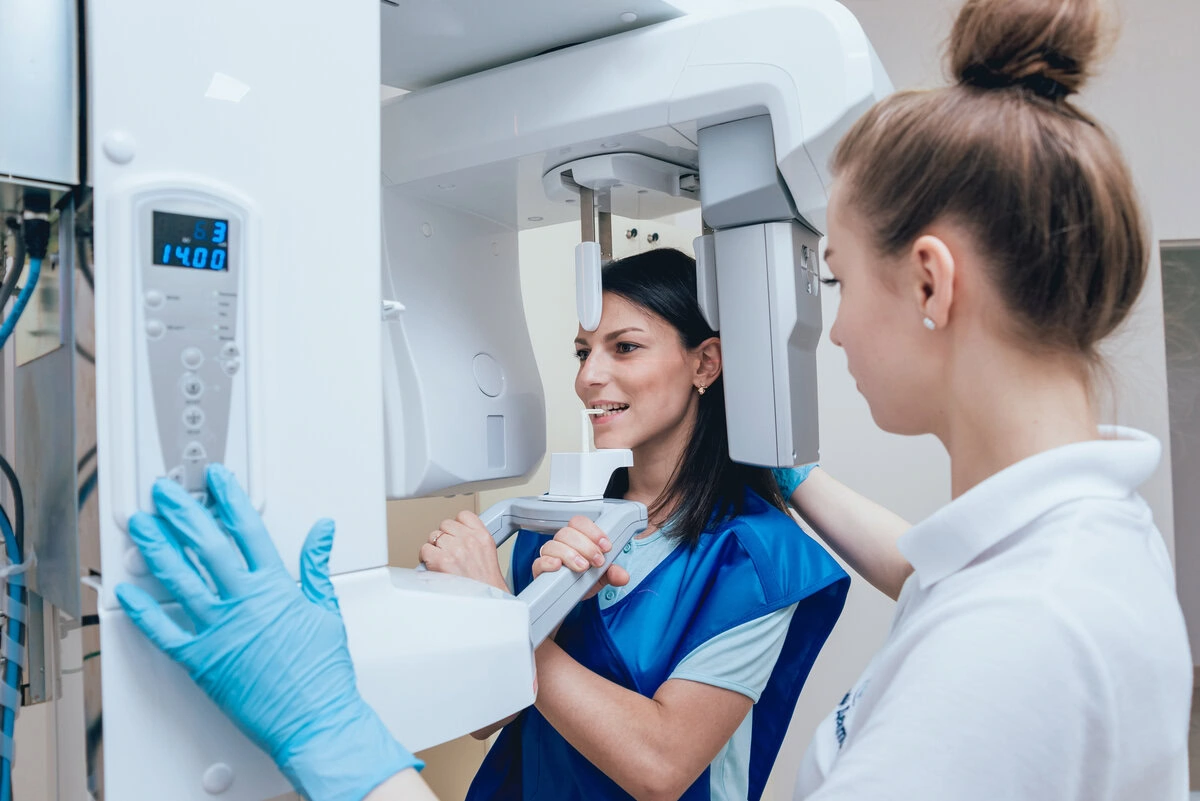
Dental team member positioning X-ray equipment for a patient

What to Expect During Your X-Rays

Digital X-rays are quick and painless. A small sensor is placed inside your mouth, and the image appears on a monitor within seconds. Depending on the type of appointment, the number and type of radiographs may vary. Dental radiographs are also very safe, as they expose you to similar levels of radiation you get from eating a banana or taking a short flight on an airplane. The process is straightforward for patients of nearly any age, including children who are still building comfort with dental visits.

How Often You'll Need Them

X-ray frequency depends on your oral health and history, not a fixed schedule for everyone. Some patients need images taken more often, especially if they’re managing an ongoing issue like active decay or gum disease, while others with a healthy, stable history may only need updated X-rays once a year. New patients typically get a fuller set of X-rays at their first visit so we have a complete baseline to work from, and we’ll always explain why we’re recommending a particular interval for you specifically going forward.
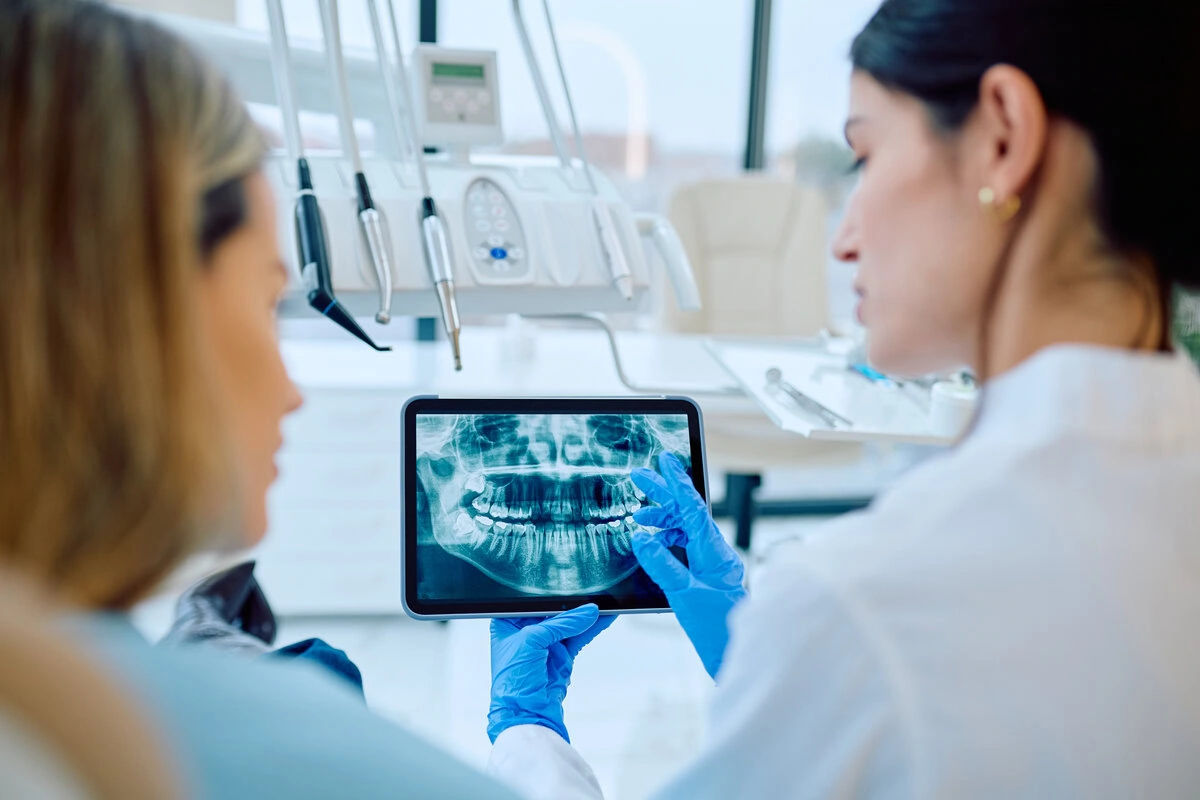

Dentist showing a patient her X-ray images on a tablet

Frequently Asked Questions About Digital X-Rays

A few common questions patients have about digital X-rays.

Yes. Digital X-rays use significantly less radiation than older film-based methods, and we take only the images necessary for your care.

Not necessarily. How often you need X-rays depends on your individual oral health, which we’ll discuss with you directly.

Yes. Because the radiation dose is so low, digital X-rays are a safe, routine part of pediatric dental care when they’re needed.

Ready to Love Your Smile?

Getting a full picture of your oral health starts with the right tools, and digital X-rays are a simple, low-exposure way to make sure nothing gets missed. Schedule your appointment today and let our team take a closer look at what’s really going on beneath the surface.

Book Appointment
Close-up of a patient framing her smile with both hands